



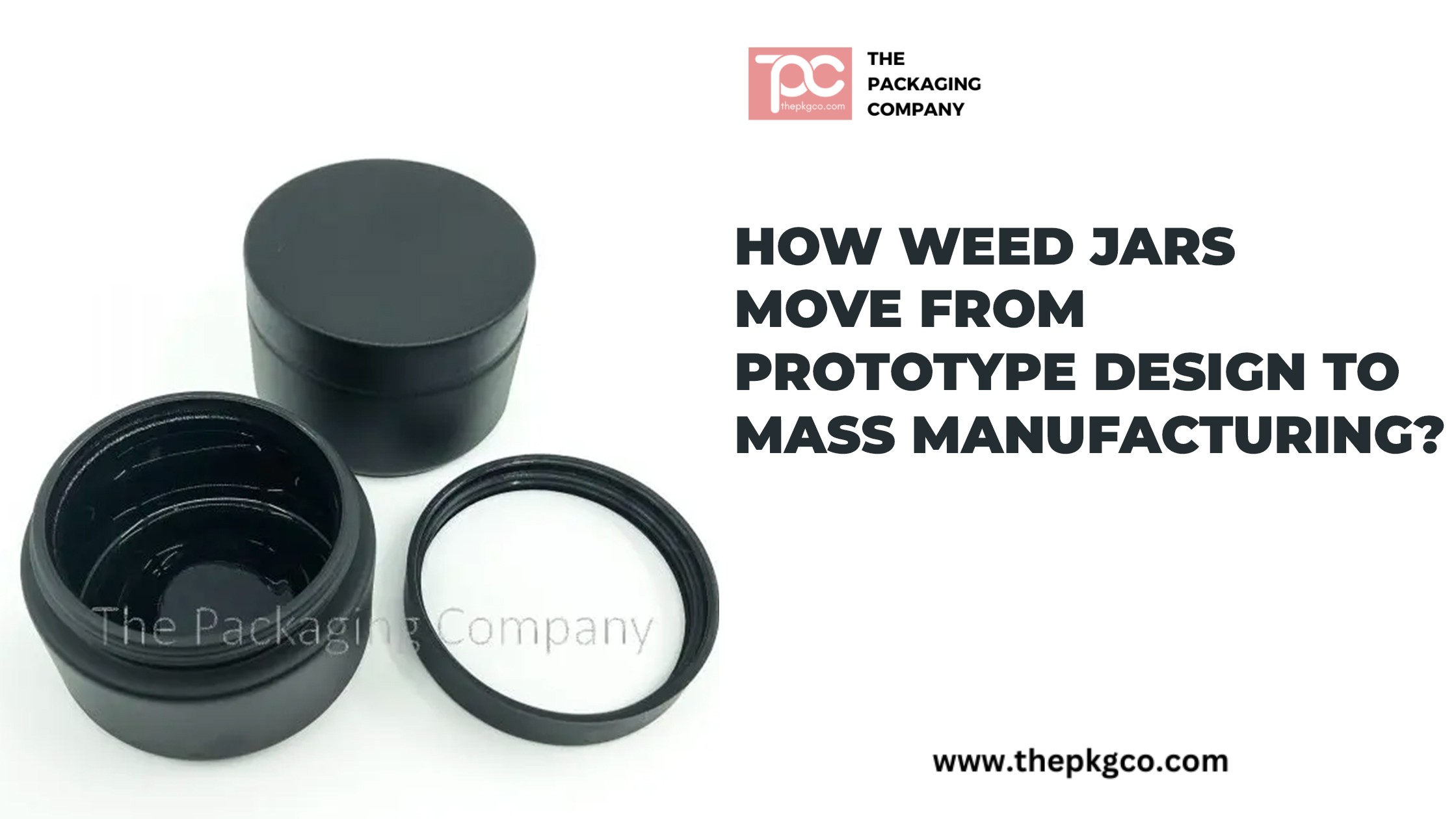
A cannabis brand may start with a strong product idea. But the product alone cannot grow the business. Packaging also matters a lot for safety, freshness, and shelf display. That is why teams start planning packaging early. Engineers, designers, and product teams work together so weed jars move from a simple idea to large production without problems. Packaging must handle several tasks at once. It protects the product, follows safety rules, and shows the brand clearly on store shelves. So the whole team plans each step carefully from the beginning.
Turning a Brand Idea Into a Production-Ready Jar Design
Every packaging project starts with a brand idea. A company may want a jar that looks modern, feels strong, and closes tightly. The design team first studies the product. They also think about shelf display and safety rules. A few simple questions guide the design stage:
- How much product should the jar hold?
- What type of lid will seal the jar well?
- Does the jar need child-safe features?
- Where should the brand logo appear on the jar?
Designers then create digital sketches to test the jar shape and size. These early designs help brands see how the jar will look and work before real production starts. Good planning early helps avoid problems later.
Creating Functional Prototypes That Simulate Real Use
A digital design gives direction, but a physical prototype tells the real story. Engineers produce early versions of the jar so teams can handle the container directly. This stage shows how the lid turns, how the seal closes, and how strong the structure feels. Prototypes allow teams to examine important details such as:
- lid grip and rotation
- sealing strength
- material thickness
- labeling space
These tests show how the container handles everyday use. Prototypes also let brands see how it fits inside a larger weed pack for storage, shipping, and store display. Hands-on testing often spots small changes that make it work better.
Stress Testing the Jar for Strength, Sealing, and Safety
Packaging must be checked properly before full production starts. So, teams run simple tests during development. These tests make sure the jar keeps the product safe in real use. Common tests include:
- Drop tests to see if the jar breaks
- Seal tests to check if air gets inside
- Lid tests to make sure kids can’t open it easily
- Storage tests to see how it holds up over time
Each test makes sure the jar works the same every time. Good packaging keeps the product safe, protects the brand, and follows safety rules.
Refining Jar Structure for Better Sealing and Lid Performance
The first jar design usually isn’t the one that goes into stores. Teams often tweak small parts to make it work better. A tiny change can make a big difference. Examples of tweaks include:
- Making the jar base stronger
- Adding texture to the lid for better grip
- Tightening the seal
- Changing wall thickness
These changes help the jar hold up during filling, shipping, and sitting on shelves. The team keeps adjusting until it’s safe, sturdy, and works as planned.
Building Precision Production Molds for Manufacturing
Once the design is approved, the project moves to making the jar shape. Factories use special forms to shape the material into the final jar. These forms must match the design closely. Engineers get the machines ready by:
- Making space for the forms
- Setting the right heat
- Controlling how the material moves
- Checking that everything lines up
Next, factories make small test jars to see if each one comes out the same. This step makes sure the process works well before making a large batch.
Turning Small Prototype Runs Into High-Volume Jar Production
After the tooling tests pass, production moves to full operation. Machines now make thousands of jars every single day. Each group of jars goes through careful checks to make sure they are all the same. Production teams watch closely for:
- Accuracy of jar size
- How well the lids seal
- Strength of the material
- Smoothness and evenness of jar surfaces
Quality inspectors pick random jars from every run to check. This makes sure every jar matches the approved design perfectly. At the same time, the jars are made to fit easily into the brand’s larger shipping boxes. This helps with safe transport and keeps everything organized for delivery.
Designing Jar Surfaces for Branding and Retail Visibility
Packaging does more than protect a product. It also communicates brand identity. Retail shelves often display several competing products. Clear branding helps customers recognize the product quickly. Packaging designers plan jar surfaces to support:
- label placement
- brand logos
- product information
- visual consistency across product lines
Smooth surfaces help labels stick properly. Balanced jar shapes also improve shelf presentation. A well-designed container strengthens brand recognition and customer trust.
Preparing Weed Jars for Warehousing and Distribution
Mass production makes large numbers of jars. These jars need to get safely from the factory to filling plants and stores. Packaging teams plan how to keep them safe during transport. Delivery planning usually includes:
- How to stack jars on pallets
- Extra layers to protect jars
- How jars are stored in warehouses
- How shipping containers are arranged
These steps stop jars from getting damaged and make handling easier. Smart distribution keeps the supply moving smoothly and helps brands avoid shortages.
Why Smart Packaging Development Matters for Cannabis Brands?
Cannabis products need careful packaging. Jars must keep the product fresh, control smell, and follow safety rules. Good jars give many benefits:
- Keep the product fresh with airtight lids
- Made strong so they don’t break in shipping
- Include safety features required by law
- Show the brand clearly on store shelves
Strong packaging also makes customers trust the product more. That’s why brands work with experienced packaging teams to plan and make the jars.
Wrap Up
A simple packaging idea grows through several stages before it reaches store shelves. Designers shape the first concept. Engineers build prototypes and test performance. Factories then produce thousands of units with strict quality control. Each step ensures that weed jars perform reliably while protecting the product inside.
The Packaging Company supports brands through every stage of this process. The team designs, engineers, and manufactures packaging solutions for regulated industries. We help product companies turn packaging concepts into production-ready containers. Our focus on safety, compliance, and scalable manufacturing helps brands launch reliable packaging with confidence.
Frequently Asked Questions
(1) What is the first step in weed jar packaging?
The first step is planning the jar design, deciding on size, lid type, branding space, and safety features.
(2) Why are prototypes needed?
Prototypes let teams check jar strength, lid fit, seal tightness, and how it works in real use.
(3) How do manufacturers test jars before big production?
They drop jars, check seals, and test durability to make sure the product stays safe and fresh.
(4) What do molds do in jar making?
Molds shape the material into jars, keeping size, shape, and surface smooth for mass production.
(5) Why is jar design important for cannabis brands?
Good jars keep products fresh, follow safety rules, and help them stand out on store shelves.