



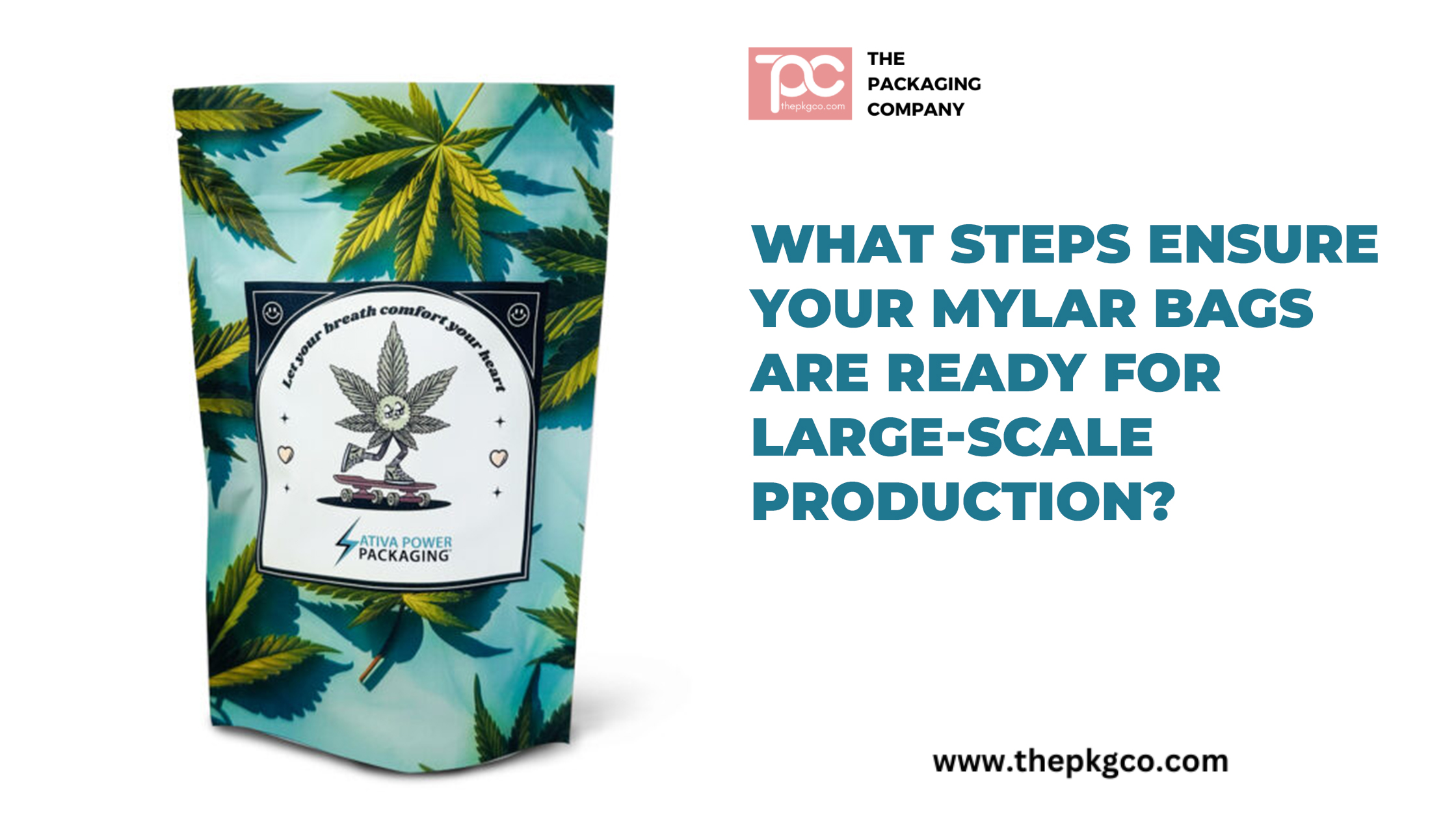
Making bags for products isn’t just about having a container; it’s about creating something that keeps products safe, looks great, and can handle shipping. Teams carefully plan every detail so that mylar bags protect items, stay fresh, and last from factory to shelf. Every step, from design to testing, matters, and skipping one could create big problems down the line. Getting each step right makes production smoother and keeps customers happy.
Start With Smart Design Choices
Designing a bag isn’t just picking a shape. Teams ask: how much product goes in? Will it sit on a shelf or in a kit? What kind of closure works best? Does the bag need safety features? Key questions include: How big should the bag be?, What type of seal keeps it airtight? Where should the logo and instructions go, and will it work for storage and shipping? Digital mockups let teams see how the bag will look and behave before making any physical copies. Catching mistakes here saves time and money later.
Prototypes Give Bags a Test Run
Once the design is ready, small batches called prototypes are made. These let teams test real-life usage without risking thousands of bags. Tests often check: how easy it is to open and close, if the seal stays tight, Durability under rough handling, and how the bag fits inside larger kits or pump bottles. Prototypes reveal small flaws that could become huge problems if ignored. Fixing them now makes production smoother.
Material Choices Keep Products Safe
Not all materials behave the same. Some absorb smells, let air in, or react with oils. Engineers test materials to make sure: bags don’t let air or moisture in, odors don’t transfer, and the strength is enough for shipping. Choosing the right materials ensures freshness, protects the product, and keeps the bag functional through storage and handling.
Seals That Lock In Freshness
A good bag needs a seal that works every time. Engineers test: lid pressure and liner contact, strength under stress, and resistance to leaks. A strong seal keeps products fresh and prevents spills. It also avoids complaints from retailers about damaged packaging.
Drop Tests Find Weak Spots
Bags travel far before they reach the store. Drop tests simulate bumps, drops, and rough handling. Teams check: If seals hold after impact, the strength of corners and edges, and overall bag durability. This helps make sure bags arrive in perfect condition and prevents losses during shipping. It also keeps customers happy and avoids returns.
Label Testing That Stands Up
Labels aren’t just for looks; they convey instructions, warnings, and branding. Engineers check: fonts are readable, prints stay on the bag, and labels don’t peel off. Clear, durable labeling keeps both customers and regulators happy. It also makes the product easy to identify on shelves.
Scaling Up With Confidence
Moving to full production can multiply mistakes if you’re not careful. Every bag is inspected for: correct dimensions, seal tightness across batches, and consistent branding. Even small errors can ruin thousands of bags. Careful prep ensures smooth, reliable production.
Quality Checks Catch Sneaky Issues
Even in mass production, random inspections make sure every bag meets standards. Teams test: bags from different batches, seal strength and flexibility, and fit in product kits and pump bottles. These checks prevent faulty products from reaching customers. They also help maintain trust in the brand.
Compliance Keeps Brands Safe
Rules aren’t just paperwork; they protect consumers and brands. Engineers test bags for: child-resistant closures, safe, strong materials, and proper seals and labelling. Passing these tests gives confidence to retailers and customers. Brands avoid fines, recalls, and complaints.
Final Review Before Launch
Before sending bags to stores, teams review everything: Storage performance, Fit in shipping kits, and consistency across batches. This ensures that mylar bags perform perfectly during handling, storage, and retail display. It also makes sure customers get fresh, undamaged products every time.
Print Accuracy Checks Before Mass Runs
Packaging is also a branding tool, so printing must stay sharp and consistent. Before large production starts, teams test printing plates, colours, and alignment. Even a small shift can make logos blurry or text hard to read. Checks usually include: colour consistency across batches, alignment of logos and product information, and ink durability against rubbing and moisture. These tests ensure that every batch of mylar bags looks identical on store shelves and maintains a clean brand image.
Storage and Shelf-Life Simulations
Packaging must perform well not only during shipping but also during long storage periods. Manufacturers often simulate warehouse conditions to see how bags react to heat, humidity, and stacking pressure. Testing typically evaluates: How materials behave in warm or humid environments, whether seals weaken over time, and if the bag structure bends or loses shape under stacked weight. These simulations confirm that mylar bags maintain strength and freshness protection even after weeks or months in storage.
Wrapping Up
Getting mylar bags ready for mass production takes careful planning, testing, and smart material choices. Every step, from design to drop tests, makes a difference. Even small details, like how a pump bottle fits into a kit, matter for smooth production.
The Packaging Company helps brands handle every stage. We design, engineer, and manufacture packaging that meets strict compliance and safety standards. Whether for cannabis, skincare, cosmetics, or medical products, we make sure your packaging is ready for thousands of units. Partnering with us means your products reach customers safely, fresh, and looking professional.
Frequently Asked Questions
(1) Why is prototype testing important for Mylar bags?
Prototypes reveal design flaws early, saving time and preventing costly production mistakes.
(2) How do engineers ensure seals keep products fresh?
Seals are tested for leaks, pressure, and durability to maintain airtight freshness.
(3) What materials work best for mylar bags?
Materials must block air, resist odors, and remain strong during shipping and storage.
(4) Why are print accuracy checks necessary?
Printing ensures logos and instructions stay clear, consistent, and professional across batches.
(5) How does compliance testing protect brands?
Compliance tests confirm child-resistant closures, safe materials, and proper labeling to avoid fines.