



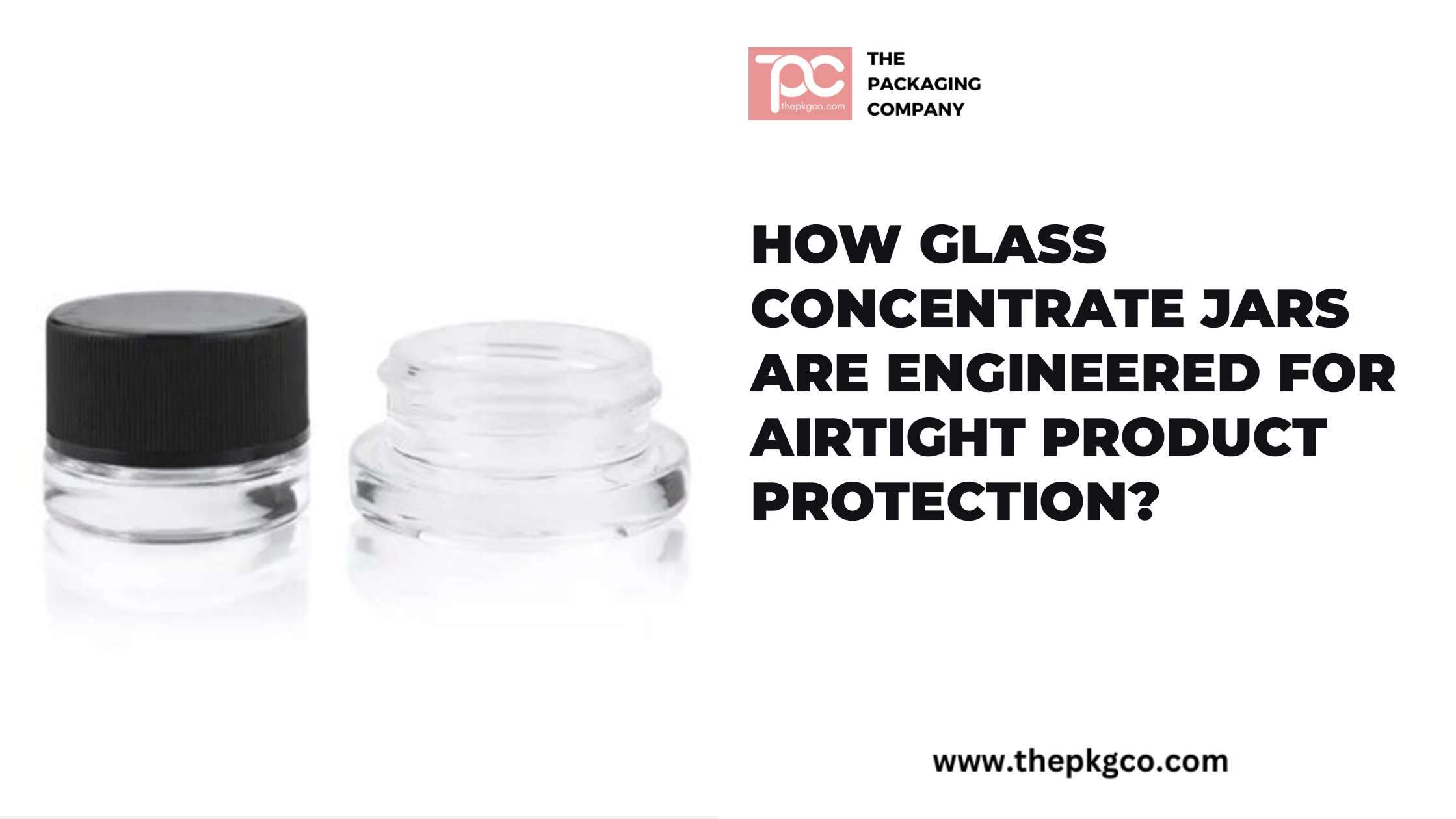
How does packaging keep cannabis concentrates fresh for longer? A cannabis extract may look perfect after production, but packaging decides how long that quality lasts. Air can damage aroma, flavor, and texture very quickly. So brands pay close attention to container design from the start. Engineers study sealing systems, materials, and structures carefully. In the middle of that packaging process sit glass concentrate jars, built to keep extracts fresh and protected during storage, transport, and retail display. Packaging plays a big role in product safety. A tight seal guards aroma and strength while helping brands deliver a consistent experience.
Why Oxygen Exposure Is the Quiet Threat to Cannabis Extracts?
Oxygen slowly changes cannabis extracts. Aroma fades. Flavor becomes dull. Product strength may drop, too. Because of this, airtight storage matters a lot. A jar must block outside air while holding the product safely. A well-designed container helps by:
- stopping air from entering
- keeping aroma compounds stable
- protecting moisture balance
- slowing chemical breakdown
A strong seal keeps the product closer to its original form.
Why Glass Works Better Than Plastic for Concentrate Storage?
Material choice affects product safety. Glass performs well because it stays stable around oils and extracts. Plastic containers sometimes hold onto smells or react with strong oils. Glass avoids that issue. The surface remains neutral and clean. Brands also like the visual appeal of glass. Customers often trust products stored in clear containers. Because of these benefits, glass remains a leading material for concentrate packaging.
How Lid Threads and Seal Liners Block Outside Air?
The jar body matters, but the lid controls most of the sealing power. Engineers design threaded lids that twist tightly into place. Inside the cap sits a liner that presses against the jar rim. This pressure forms a tight barrier against outside air. Important sealing elements include:
- strong thread patterns
- smooth rim surfaces
- flexible liner materials
- balanced lid pressure
Each component works together to keep the container airtight.
How Rim Geometry Helps Create a Tight Seal?
Jar rims may look simple, yet small shape details make a big difference. Engineers shape the rim carefully because the liner presses directly against it. If the rim stays flat and smooth, the liner touches every point of the circle. That contact prevents tiny air gaps. Thread alignment also matters. If threads twist unevenly, the lid may tilt slightly. Even a small tilt can weaken the seal. Careful engineering helps avoid those problems.
Why Early Prototype Testing Matters
Design plans look good on a computer screen, but physical testing tells the real story. Engineers create early samples and run practical tests. These tests reveal small issues before large production begins. Typical tests include:
- drop checks for durability
- repeated lid opening cycles
- seal pressure tests
- long-term storage trials
Brands sometimes store pre-roll items in glass joint tubes. Engineers test those tubes as well to confirm sealing strength during shipping. Testing protects product quality before the packaging reaches the market.
How Airtight Containers Help Protect Terpene Aroma?
Terpenes give cannabis extracts their strong aroma and flavor. These delicate compounds fade quickly when exposed to air. A tight container slows that loss. Engineers design jars to reduce air space and strengthen the lid seal. Better sealing helps the extract keep its natural smell longer. That stability improves the overall product experience. Customers often notice aroma first, so protecting it becomes very important.
How Jar Design Supports Filling Lines and Retail Shelves?
Packaging must work smoothly across several steps of production. Factories fill jars quickly on automated lines. Engineers design jars that open easily, fill smoothly, and close securely. Other practical features include:
- stable stacking during shipping
- balanced shapes for retail display
- clear areas for label placement
Product lines may also include glass joint tubes for related cannabis items. Those containers follow similar design ideas for safe storage and transport. Good packaging helps every stage of the supply chain run smoothly.
How Child-Resistant Lids Improve Safety?
Cannabis containers must meet strict safety rules in the United States. Packaging must stop children from opening products easily. Engineers design lids with special locking movements. Adults can open them easily, but children struggle with the mechanism. Examples include:
- push-and-turn caps
- squeeze-release lids
- locking lid systems
Testing confirms that each design meets safety standards before products reach stores.
How Production Teams Maintain Seal Consistency?
Once engineers approve a design, factories start large-scale manufacturing. Machines then produce thousands of jars daily. Every jar must match the approved design exactly. Even tiny changes can weaken the seal. Quality teams inspect containers during production. They check jar dimensions, thread alignment, and lid fit. Careful monitoring ensures every container protects the product properly.
Why Reliable Packaging Builds Brand Trust?
Customers judge product quality quickly. Weak packaging creates doubt. A strong container creates confidence. The lid closes firmly. The aroma stays inside. The jar feels sturdy in the hand. Reliable packaging sends a clear signal about brand quality. That is why companies invest in well-engineered glass concentrate jars.
Summing Up
Product quality depends on more than the extract itself. Packaging protects aroma, strength, and freshness during storage and distribution. A poorly sealed container can damage concentrates quickly. Because of this, engineers carefully design glass concentrate jars to maintain airtight protection and support long-term product stability.
The Packaging Company works with brands that need dependable packaging solutions. The team designs, engineers, and manufactures custom containers for regulated industries such as cannabis, skincare, cosmetics, and medical products. We help product teams move from early packaging concepts to large-scale manufacturing while meeting strict safety and compliance requirements.
Frequently Asked Questions
(1) Why are glass concentrate jars preferred over plastic?
Glass stays chemically stable, preserves aroma, prevents odor absorption, and maintains extract purity better than plastic containers.
(2) How do glass concentrate jars keep cannabis extracts fresh?
Airtight lids, seal liners, and precise rim designs block oxygen, preserving aroma, flavor, and product strength.
(3) What role do lid liners play in concentrate jars?
Flexible liners press against the jar rim, forming a tight barrier that prevents air leaks.
(4) Why is oxygen harmful to cannabis concentrates?
Oxygen slowly degrades terpene aroma, weakens flavor, and may reduce extract potency during storage.
(5) Are glass concentrate jars tested before production?
Yes, engineers test durability, seal pressure, lid cycles, and long-term storage performance before manufacturing.