



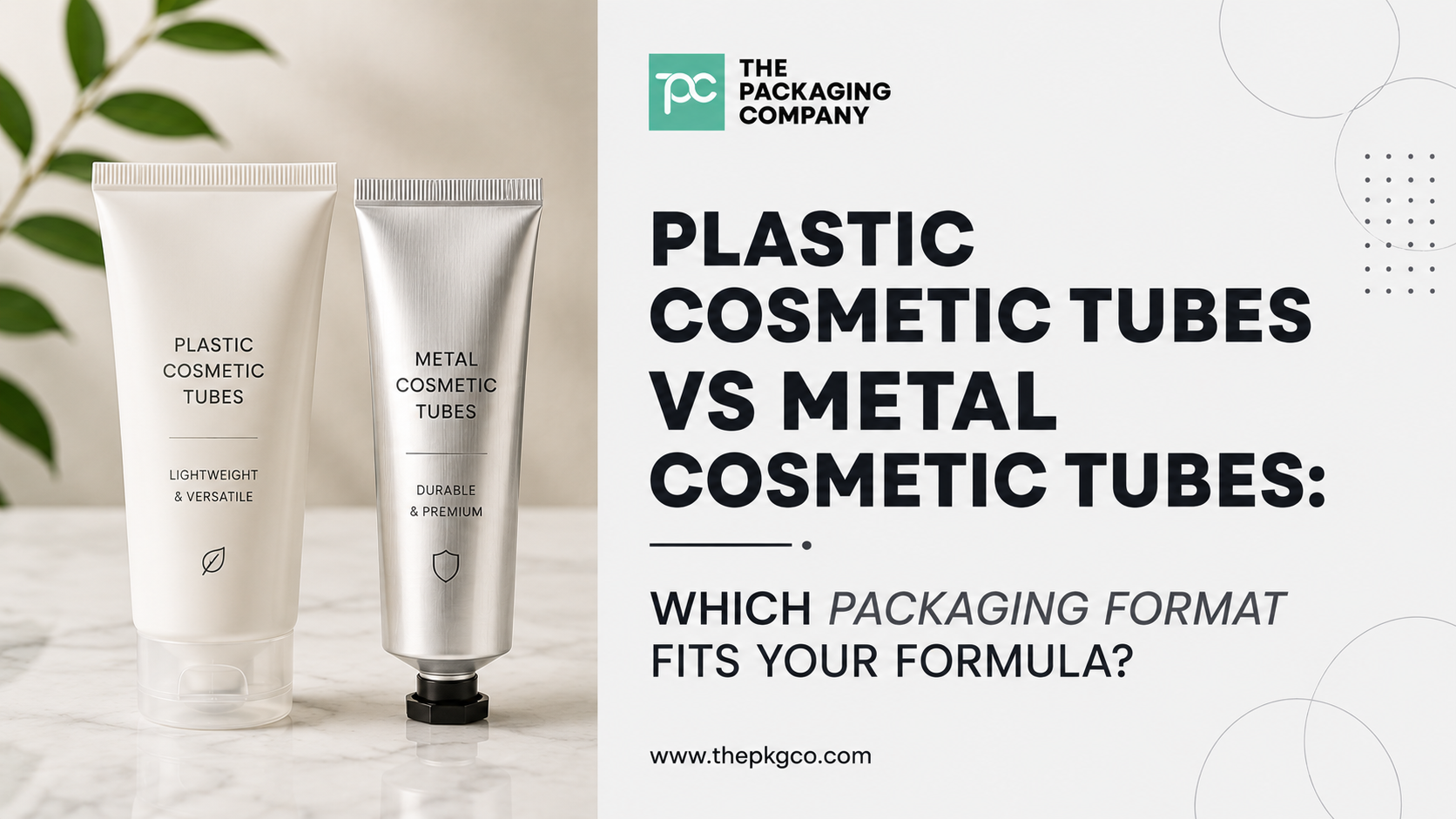
Cosmetic tubes are used for many skincare, beauty, and personal care products, but not every tube material fits every formula. A cleanser, hand cream, sunscreen, balm, ointment, gel, and treatment product may each need a different level of flexibility, barrier protection, decoration, and customer experience.
For brands comparing plastic cosmetic tubes and metal cosmetic tubes, the decision should not be based only on appearance. The better question is which tube material fits the formula, product positioning, filling process, shipping method, and customer use case.
This guide compares plastic and metal cosmetic tubes so beauty brands can choose a packaging format that supports both product performance and brand strategy.
Why Tube Material Matters
Tube material affects how the package feels, dispenses, protects the formula, and looks after repeated use. A tube is handled, squeezed, stored, carried, and sometimes used in wet environments. The material needs to support that behavior.
Brands reviewing squeeze tube packaging should compare plastic and metal tubes based on formula compatibility, dispensing behavior, decoration options, sustainability goals, MOQ, and production needs.
What Are Plastic Cosmetic Tubes?
Plastic cosmetic tubes are commonly used for skincare, personal care, hair care, and beauty products. They are usually flexible, lightweight, and available in many sizes and styles.
They are often used for:
- Facial cleansers
- Hand creams
- Lotions
- Sunscreens
- Masks
- Scrubs
- Gels
- Hair treatments
- Body care products
Plastic tubes are popular because they are practical, easy to squeeze, and suitable for many product categories.
What Are Metal Cosmetic Tubes?
Metal cosmetic tubes are usually associated with products that need stronger barrier protection, a more technical look, or a traditional apothecary-style presentation. They may be made from aluminum or other metal-based structures depending on the packaging format.
Metal tubes are often used for:
- Ointments
- Balms
- Specialty creams
- Medicated-style products
- High-barrier formulations
- Premium treatment products
Metal tubes can create a distinct product experience, but they also behave differently from plastic tubes during use.
Flexibility and Dispensing Experience
Plastic tubes are usually more flexible and return closer to their original shape after squeezing. This makes them easy for customers to use repeatedly and practical for everyday skincare or personal care products.
Metal tubes tend to crease as the customer squeezes them. This can be useful for some products because the tube holds its compressed shape and helps show product usage over time. However, creasing may not fit every brand image.
For a modern skincare cleanser or lotion, plastic may feel cleaner and easier to use. For a concentrated balm or treatment ointment, metal may support a more precise and controlled experience.
Barrier Protection and Formula Sensitivity
Formula sensitivity is one of the biggest reasons brands compare plastic and metal tubes.
Metal tubes can provide strong barrier protection against light, air, and certain external factors. This may make them useful for formulas that require added protection or have more technical positioning.
Plastic tubes can still work well for many cosmetic formulas, but brands should review the tube structure, material, and barrier needs carefully. Some formulas may require laminate structures, barrier layers, or specific material choices.
Brands should consider:
- Does the formula contain active ingredients?
- Is the formula sensitive to oxygen or light?
- Does the product contain oils, fragrance, or solvents?
- Does the formula need a high-barrier package?
- Will the product be used quickly or stored for longer periods?
Compatibility testing should always happen before production.
Product Positioning and Shelf Appeal
Plastic and metal tubes create different brand impressions.
Plastic cosmetic tubes often feel modern, clean, lightweight, and practical. They work well for beauty products that need a polished retail look and broad customer appeal.
Metal cosmetic tubes can feel more premium, clinical, apothecary-inspired, or treatment-focused. They can help products stand out when the brand wants a more specialized or heritage-style appearance.
The right choice depends on how the product should feel to the customer.
Decoration Options
Both plastic and metal tubes can support decoration, but the options and production requirements may differ.
Plastic tubes may support:
- Offset printing
- Silk screen printing
- Hot stamping
- Labels
- Matte or glossy finishes
- Custom colors
Metal tubes may support:
- Direct printing
- Labels
- Special coatings
- Metallic surface effects
- Minimalist decoration styles
Decoration should be tested with the actual tube material. Plastic tubes may flex during use, so printing and labels need to withstand repeated squeezing. Metal tubes may crease, so the decoration should look acceptable after the tube changes shape during use.
Cap and Closure Options
Cap style should match the product’s usage. Plastic cosmetic tubes often support many cap options, including flip-top caps, screw caps, disc-top caps, nozzle tips, and applicator closures.
Metal tubes may have fewer closure styles depending on the tube format, but they can support more specialized dispensing for ointments, balms, and treatment products.
Brands should review:
- How much product should dispense per use?
- Should the product be applied directly?
- Does the product need a precision tip?
- Will the cap be opened and closed frequently?
- Does the cap support travel or e-commerce shipping?
Shipping and Durability
Plastic tubes are lightweight and generally durable during shipping. They can handle squeezing and movement well, which makes them practical for e-commerce, retail, and travel-size products.
Metal tubes can dent or crease more visibly. In some product categories, this is expected and even part of the user experience. In others, visible dents may make the product feel damaged or less premium.
Brands should consider how the tube will be shipped, stored, displayed, and used before choosing the final material.
Sustainability Considerations
Sustainability claims depend on material, structure, decoration, and local recycling systems. Plastic and metal tubes each have different sustainability considerations.
Plastic tubes may support lightweight packaging, mono-material structures, PCR content, or sugarcane-based material options depending on the supplier and format.
Metal tubes may be recyclable depending on material and local systems, but brands should confirm coatings, caps, and decoration details before making claims.
Brands should avoid broad sustainability claims and instead use specific language based on the actual package structure.
Cost and MOQ Considerations
Plastic tubes are often more cost-efficient for many cosmetic and personal care products, especially when brands need flexibility, multiple sizes, or higher production volumes.
Metal tubes may have different cost structures depending on material, decoration, closure, and production requirements. They may be better suited for specialty products where the packaging supports a higher price point or technical product story.
Before choosing, brands should ask:
- What is the MOQ for each tube type?
- How does decoration affect MOQ?
- What is the production lead time?
- Are samples available?
- Can the supplier support future reorders?
Which Tube Should You Choose?
Plastic cosmetic tubes may be the better fit when the product needs flexibility, lightweight packaging, broad decoration options, cost efficiency, and everyday customer convenience.
Metal cosmetic tubes may be the better fit when the product needs stronger barrier protection, a more clinical or apothecary feel, controlled dispensing, or a specialized product experience.
For many cosmetic brands, the right decision depends on the formula first and the brand positioning second.
Final Recommendation
Plastic cosmetic tubes and metal cosmetic tubes can both work well, but they serve different product needs. Brands should compare formula compatibility, barrier requirements, dispensing behavior, decoration durability, shipping performance, cost, MOQ, and customer experience before choosing a final tube format.
For brands comparing cosmetic squeeze tubes, plastic tubes, specialty tube formats, or cosmetic tube manufacturing options, The Packaging Company can help review materials, decoration methods, sampling, MOQ, and wholesale packaging requirements for upcoming product launches.
FAQ: Plastic Cosmetic Tubes vs Metal Cosmetic Tubes
What are plastic cosmetic tubes used for?
Plastic cosmetic tubes are commonly used for facial cleansers, hand creams, lotions, sunscreens, masks, scrubs, gels, hair treatments, and body care products.
When should brands use metal cosmetic tubes?
Metal cosmetic tubes may be useful for ointments, balms, specialty creams, medicated-style products, high-barrier formulas, or products that need a more clinical or premium presentation.
Are plastic cosmetic tubes cheaper than metal tubes?
Plastic cosmetic tubes are often more cost-efficient for many beauty and personal care products, but final cost depends on size, material, decoration, cap style, MOQ, and production requirements.
Do metal cosmetic tubes dent easily?
Metal tubes can crease or dent more visibly than plastic tubes. In some categories this is expected, but brands should consider whether that user experience fits the product positioning.
How should brands choose between plastic and metal tubes?
Brands should compare formula compatibility, barrier needs, flexibility, decoration, cap options, shipping performance, sustainability goals, cost, MOQ, and customer experience before choosing.