



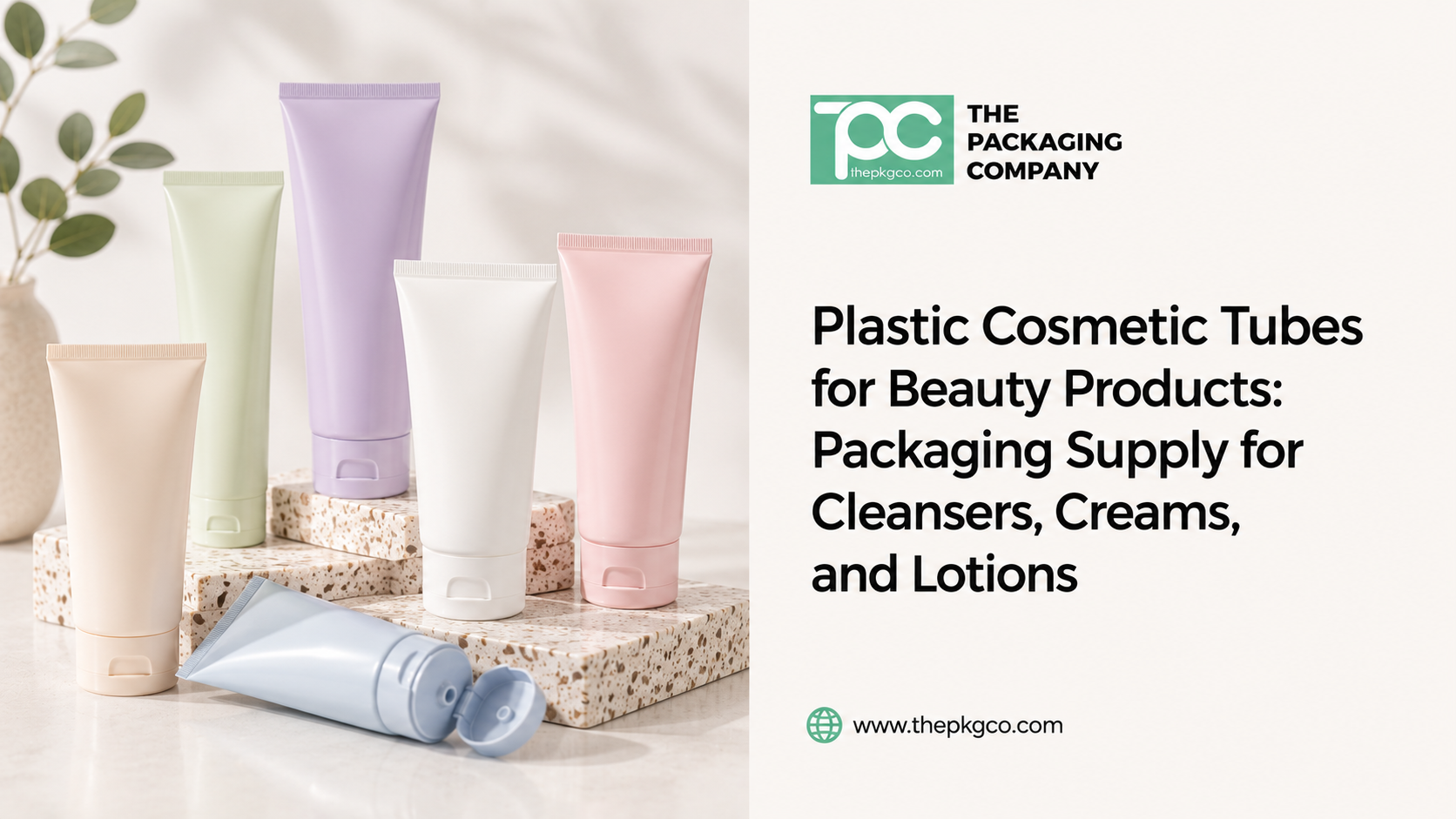
Plastic cosmetic tubes are widely used by skincare, beauty, and personal care brands because they offer a practical packaging format for products that need controlled dispensing, flexible handling, and a clean shelf presentation. They are commonly used for cleansers, creams, lotions, gels, masks, scrubs, sunscreens, body care products, and travel-size beauty items.
For brands planning a product launch, plastic tubes can be a flexible packaging choice because they support many product categories and can be adapted across different product lines. A skincare brand may use plastic squeeze tubes for a cleanser, a lotion, a mask, and a sample-size product while keeping the overall packaging direction consistent.
This guide explains how brands can use plastic cosmetic tubes as a practical packaging format for beauty and skincare products.
Why Beauty Brands Use Plastic Cosmetic Tubes
Plastic cosmetic tubes are popular because they are lightweight, easy to handle, and suitable for many daily-use beauty products. Compared with rigid jars or bottles, tubes can offer a more flexible user experience and a simple dispensing format.
For products such as cleansers, lotions, gels, masks, and body care formulas, a tube format can make the product easier to apply and easier to carry. This makes plastic cosmetic tubes useful for both full-size retail products and smaller trial or travel-size formats.
Plastic tubes can also work across different brand positions. A clean skincare brand may use a simple white tube. A colorful personal care line may use bold printing and bright packaging. A more premium product may use a refined finish, specialty cap, or custom decoration direction.
Common Products Packaged in Plastic Cosmetic Tubes
Plastic cosmetic tubes are used across many skincare and beauty categories. Common applications include facial cleansers, exfoliators, moisturizers, hand creams, body lotions, sunscreens, masks, gels, primers, foundations, lip care products, and specialty treatments.
The product type should guide the packaging direction. A facial cleanser may need a larger tube with a practical cap. A hand cream may need a tube that feels easy to carry. A mask or scrub may need a tube format that supports repeated use. A sample or travel product may need a smaller tube that still matches the full-size packaging.
Brands should begin by confirming the product use case before selecting the tube style.
Plastic Tubes Can Support Different Beauty Line Needs
One reason brands choose plastic cosmetic tubes is that the format can work across several products in the same line. A skincare brand may use tubes for cleansers, creams, masks, and body care products while using jars, bottles, or airless packaging for other products.
Even when the formats are different, the brand can keep the line visually connected through color, logo placement, label direction, cap color, and finish style.
Plastic tubes are especially useful for brands that want one packaging format to support multiple product categories without making the line feel too complicated.
Tube Shape and Structure Should Match the Product Role
Plastic cosmetic tubes can vary by shape, capacity, shoulder style, tube feel, and overall presentation. Some tubes are slim and simple. Others are wider, softer, or more substantial depending on the product category and brand direction.
A cleanser or body lotion may need a larger tube that feels practical for daily use. A treatment cream or primer may need a smaller and more refined tube. A travel-size product may need a compact tube that still feels connected to the brand’s main packaging system.
Brands should review tube samples before confirming production because the tube shape, softness, and overall feel can affect how the product is presented.
Cap and Applicator Direction Should Fit the Use Case
The cap or applicator is an important part of plastic cosmetic tube packaging. It affects how the product is opened, dispensed, stored, and used by the customer.
Common tube directions may include screw caps, flip-top caps, applicator tips, needle-nose tips, or other project-specific closure styles depending on the product and packaging requirements.
A daily cleanser may need a simple flip-top cap. A cream or treatment product may use a standard screw cap. A product that needs more precise application may require an applicator-style tube. The best option depends on the product’s use case and brand presentation.
Brand Presentation Should Be Planned Before Artwork
Plastic cosmetic tubes can support many visual styles. Brands may choose clean minimal packaging, colorful personal care packaging, premium skincare packaging, or more technical product packaging depending on the audience and product category.
Before artwork is finalized, brands should review the available front panel space, back panel space, logo placement, product name, ingredient information, usage direction, barcode, and any required label details.
The tube surface should support the artwork clearly. A design that looks good on a flat file may need adjustment when applied to the actual tube shape.
Decoration Should Support the Product Line
Plastic cosmetic tubes can be customized through color direction, printing, labeling, hot stamping, matte or glossy finishes, and other decoration methods depending on the project requirements.
Decoration should support the full product line, not only one SKU. If a brand plans to use tubes for several products, the logo placement, color system, and product naming structure should be easy to repeat across different tube sizes and product types.
This helps the brand keep a consistent shelf look across cleansers, creams, lotions, masks, and other tube-based products.
MOQ and Production Planning Should Be Reviewed Early
Plastic cosmetic tube projects can vary depending on tube size, cap style, decoration method, color matching, and customization level. Before confirming samples, brands should review the MOQ and production requirements for the selected tube direction.
This is especially important when a brand is launching several products at the same time. Some products may be able to share the same tube family, while others may require different tube formats or closures.
Early planning helps the brand choose a plastic tube direction that fits the launch plan instead of selecting a packaging option that becomes difficult to manage later.
Sample Review Helps Confirm the Packaging Direction
Samples are important because plastic cosmetic tubes can feel different in person than they appear in a product image. Brands should review the tube shape, cap style, finish, label space, printing direction, and overall handling before approving bulk production.
TPC supplies empty packaging components. The brand, formulator, or filling partner should confirm filling, formula behavior, dispensing, and finished-product performance with the actual product before final launch.
Sample review helps make sure the selected tube supports the product concept, brand image, and production needs.
How Plastic Cosmetic Tubes Fit Into a Full Packaging Line
Plastic cosmetic tubes often work alongside other packaging formats in a skincare or beauty line. A brand may use tubes for cleansers and lotions, jars for creams and masks, airless bottles for serums, and droppers for oils or tincture-style products.
For brands planning a broader beauty packaging system, TPC also offers custom cosmetic packaging options across tubes, jars, bottles, airless packaging, droppers, and other beauty packaging formats.
When plastic tubes are planned as part of the full packaging line, the product collection can feel more organized and easier to expand.
Related Squeeze Tube Resources
Brands comparing plastic cosmetic tubes can also review TPC’s related guides on large plastic squeeze tubes, small plastic squeeze tubes, and applicator squeeze tubes.
For brands comparing other tube materials, TPC also offers aluminum cosmetic tubes, sugarcane squeeze tubes, and other squeeze tube packaging options for skincare and beauty products.
How TPC Supports Plastic Cosmetic Tube Projects
The Packaging Company supports skincare, beauty, and personal care brands with plastic cosmetic tubes, squeeze tube packaging, custom cosmetic tubes, cap and applicator options, decoration direction, color matching, sample review, MOQ planning, empty component packing, and production support.
Our team helps brands compare tube formats based on product use, packaging presentation, sample needs, and production direction.
If your brand is reviewing plastic cosmetic tubes for skincare or beauty products, contact TPC to discuss tube options, samples, customization, MOQ, and production support.
Plastic Cosmetic Tube Review Checklist
- Confirm which product category will use plastic tube packaging.
- Review whether the tube is for cleanser, cream, lotion, mask, gel, body care, or sample use.
- Compare tube shape, structure, and handling feel.
- Review cap or applicator direction based on product use.
- Check artwork space on the actual tube sample.
- Confirm customization, color, and printing direction.
- Review MOQ and production timing before final approval.
- Coordinate with the brand’s filler or testing partner before product launch.
Plastic Cosmetic Tubes FAQ
What are plastic cosmetic tubes used for?
Plastic cosmetic tubes are commonly used for skincare and beauty products such as cleansers, creams, lotions, gels, masks, scrubs, sunscreens, hand creams, body care products, and sample-size items.
Why do beauty brands use plastic cosmetic tubes?
Beauty brands use plastic cosmetic tubes because they are lightweight, flexible, easy to handle, and suitable for many daily-use skincare and personal care products.
Can plastic cosmetic tubes be customized?
Yes. Plastic cosmetic tubes can be customized through tube selection, cap style, color matching, printing, labeling, hot stamping, matte or glossy finishes, and other decoration methods depending on the project requirements.
What products fit plastic squeeze tube packaging?
Plastic squeeze tube packaging may be used for facial cleansers, moisturizers, hand creams, body lotions, sunscreen, masks, gels, primers, foundations, and other beauty or personal care products.
Should brands request samples before ordering plastic cosmetic tubes?
Yes. Samples help brands review tube shape, cap style, finish, label space, handling feel, and overall packaging direction before confirming bulk production.
Can TPC help with plastic cosmetic tube packaging projects?
Yes. TPC can help brands compare plastic cosmetic tubes, squeeze tube packaging formats, cap and applicator options, sample direction, customization details, MOQ, empty component packing, and production support.