



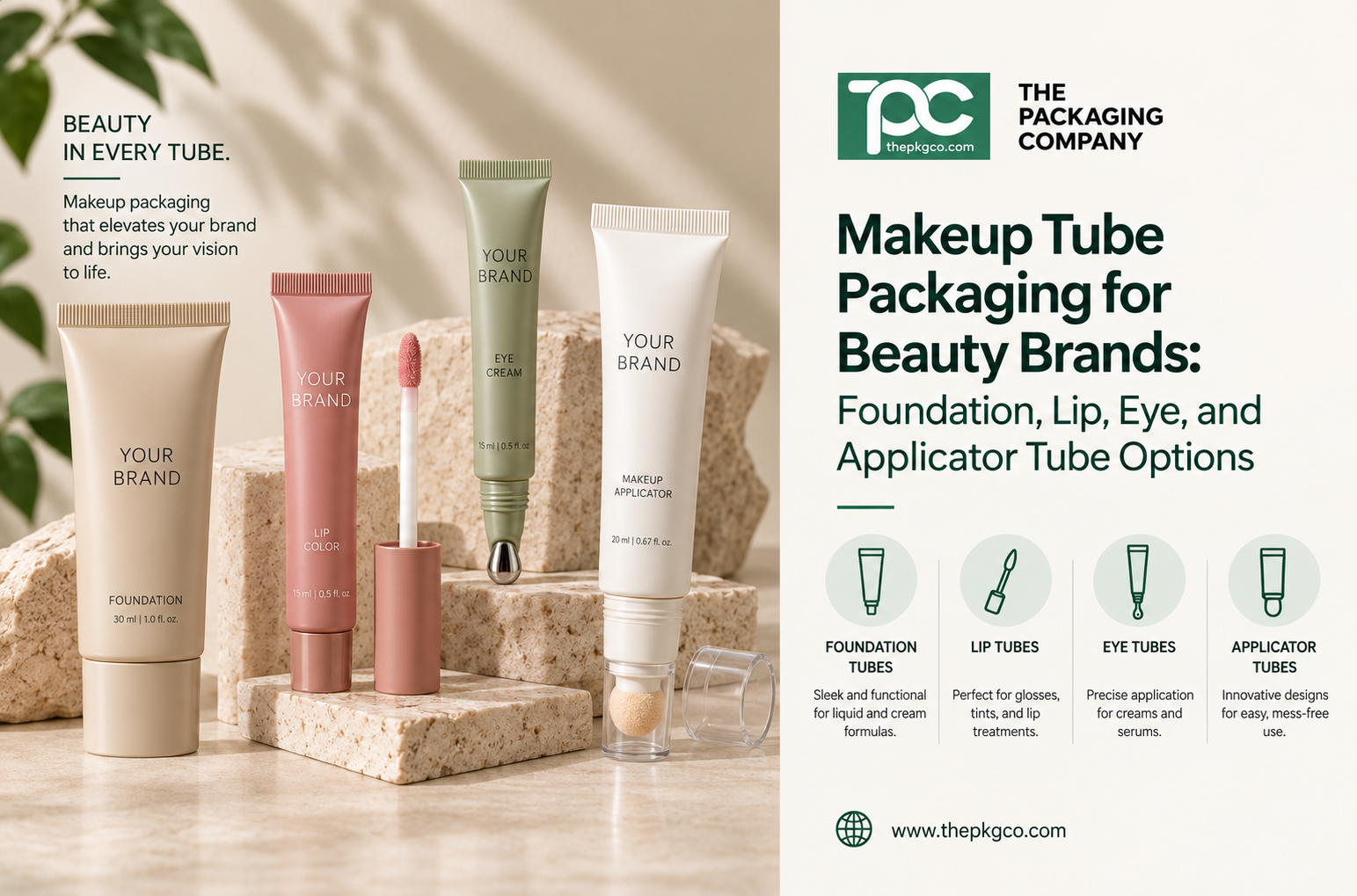
Makeup tube packaging can support many beauty product categories, including foundation, lip products, eye products, concealers, creams, gels, and applicator-style formulas. For beauty brands, the right makeup tube is not only about size or appearance. It also depends on product texture, dispensing method, applicator direction, decoration, sample review, MOQ, and bulk production requirements.
A makeup tube may look simple, but different products may need different tube styles. A foundation product may need a soft squeeze tube with controlled dispensing. A lip product may need a smaller tube or applicator tip. An eye product may need a more precise applicator. A treatment-style cosmetic product may need a needle-nose or specialty applicator tube.
This guide explains how beauty brands can review makeup tube packaging for foundation, lip, eye, and applicator products before moving into samples and bulk production.
Why Makeup Tube Packaging Depends on Product Use
Makeup products are applied in different ways. Some products are squeezed onto the hand, sponge, or brush. Others are applied directly to the lips, under-eye area, face, or targeted treatment area. Because of this, packaging should be reviewed based on how the customer actually uses the product.
Brands should consider:
- Product texture
- Dispensing control
- Application area
- Tube size
- Cap or applicator style
- Decoration area
- Sample needs
- MOQ and bulk production timeline
A tube used for liquid foundation may not be the same tube used for lip gloss, eye cream, concealer, or targeted cosmetic products. The packaging should match both the product and the user experience.
Foundation Tubes for Liquid and Cream Makeup Products
Foundation tube packaging is often used for liquid foundation, cream foundation, tinted moisturizer, complexion products, and other face makeup formulas. These products usually need controlled dispensing and enough decoration space to communicate shade, product name, and brand identity.
For foundation tubes, brands should review:
- Tube capacity
- Material direction
- Cap style
- Nozzle or dispensing opening
- Decoration placement
- Shade label direction
- Carton or secondary packaging direction
Brands can also review related product formats such as TPC’s oval liquid foundation tube when considering makeup tube packaging for complexion products.
Lip Product Tubes for Gloss, Balm, and Treatment Products
Lip products may need smaller tube formats, applicator tips, soft squeeze tubes, or specialty packaging depending on the product type. Lip gloss, lip balm, lip treatment, and lip care formulas may each need a different packaging direction.
Brands reviewing lip-focused makeup tubes should consider:
- Tube size
- Tip or applicator direction
- Cap style
- Product texture
- Decoration area
- Retail or sample-size use
- How the tube fits with the rest of the beauty line
For brands reviewing lip and eye packaging options, TPC’s lip and eye products category can support product-specific packaging review.
Eye Product Tubes for Targeted Cosmetic Applications
Eye-area products often need more controlled dispensing because the application area is smaller and more targeted. This can include under-eye products, eye creams, cosmetic treatments, lightweight gels, and specialty beauty formulas.
For eye product tubes, brands may review smaller capacities, narrow dispensing tips, applicator components, and decoration that works on a smaller surface area.
Important review points include:
- Application area
- Tube size
- Applicator precision
- Cap and closure fit
- Decoration placement
- Sample review with the actual product
Because eye product packaging may involve smaller components or more specific applicator needs, brands should review samples carefully before confirming production.
Applicator Tubes for Targeted Makeup and Beauty Products
Applicator tubes can help brands create a more controlled application experience for targeted makeup, lip, eye, skincare, and treatment-style beauty products.
Depending on the project, brands may review applicator directions such as needle-nose tips, roller ball applicators, brush applicators, ceramic applicators, or other specialty dispensing components.
Brands reviewing applicator squeeze tubes should consider:
- Product texture
- Application area
- Dispensing control
- Applicator feel
- Cap fit
- Tube material
- Decoration and label space
- Sample approval requirements
Applicator direction should be reviewed early because it affects both the packaging structure and the customer experience.
Tube Material and Finish Direction
Makeup tube packaging may use different material and finish directions depending on product category, brand position, and decoration needs. Brands may compare plastic squeeze tubes, specialty applicator tubes, aluminum tubes, or other cosmetic tube options depending on the product.
Common finish and decoration directions may include:
- Matte finish
- Glossy finish
- Soft-touch effect
- Metallic details
- Custom color matching
- Label decoration
- Direct printing
- Hot stamping
The tube should support the product’s brand position. A complexion product may need a clean and shade-focused design, while a lip or eye product may need a more compact and decorative presentation.
Decoration Details for Makeup Tubes
Decoration is important for makeup tube packaging because beauty products often need strong shelf appeal, clear product information, and a consistent look across multiple SKUs or shades.
Brands should review:
- Logo placement
- Product name visibility
- Shade or color identification
- Front and back label area
- Print method
- Cap color
- Tube finish
- Outer carton direction
For multi-shade makeup products, decoration should also support easy shade separation without making the product line look inconsistent.
Brands can review decoration examples through TPC’s customization showcase.
Sample Review Before Bulk Production
Samples are important for makeup tube packaging because tube feel, dispensing behavior, cap fit, and decoration can all affect the final product experience.
Before approving samples, brands should review:
- Tube size and capacity
- Product fit with the tube format
- Dispensing behavior
- Applicator direction
- Cap or closure fit
- Decoration placement
- Color and finish direction
- Carton or secondary packaging fit
- MOQ and production timeline
Samples should be reviewed with the actual product and filling process before final approval.
MOQ and Bulk Order Planning
Makeup tube projects often involve multiple SKUs, shades, finishes, or applicator directions. Because of this, brands should discuss MOQ and production requirements early.
Before requesting pricing, brands should prepare:
- Product type
- Target fill size
- Preferred tube format
- Applicator or cap direction
- Decoration requirements
- Estimated order quantity
- Number of SKUs or shades
- Sample needs
- Launch timeline
- Whether the tube needs to match other packaging formats
This helps the supplier review whether the project is better suited for standard squeeze tubes, applicator tubes, specialty cosmetic tubes, or another packaging direction.
How Makeup Tubes Fit Into a Beauty Product Line
A beauty brand may use several packaging formats across the same product line. Makeup tubes may sit beside bottles, jars, airless packaging, compacts, or other cosmetic packaging formats.
The packaging does not need to be identical across every product, but the line should feel connected. Brands can create consistency through color, finish, typography, cap style, decoration system, and carton design.
For brands reviewing broader packaging needs, makeup tubes can be planned together with squeeze tube packaging and other custom cosmetic packaging options.
How TPC Supports Makeup Tube Packaging Projects
The Packaging Company supports beauty and cosmetic brands reviewing makeup tube packaging, squeeze tubes, applicator tubes, foundation tubes, lip and eye packaging, and related custom cosmetic packaging options.
TPC can help brands review tube format, size, material direction, cap or applicator style, decoration options, samples, MOQ, and bulk production requirements before moving forward with a project.
TPC supplies empty packaging components. Brands, formulators, and filling partners are responsible for confirming formula compatibility, filling process, dispensing behavior, sealing or leakage performance, compliance requirements, and finished-product performance with the actual product.
Final Recommendation
Makeup tube packaging should be reviewed based on product type, application method, dispensing needs, decoration direction, sample approval, MOQ, and production requirements.
Foundation, lip, eye, and applicator products may all use tube packaging, but they do not all need the same tube. The best makeup tube direction depends on how the product is used, how it should look, and how the packaging will move through samples and bulk production.
Brands can contact The Packaging Company to review makeup tube packaging, foundation tubes, lip and eye tubes, applicator squeeze tubes, samples, decoration, MOQ, and bulk production details.
FAQ: Makeup Tube Packaging
What is a makeup tube?
A makeup tube is tube packaging used for beauty and cosmetic products such as foundation, lip products, eye products, concealers, gels, creams, and targeted applicator products.
What products can use makeup tube packaging?
Makeup tube packaging can be reviewed for liquid foundation, cream foundation, tinted moisturizer, lip gloss, lip balm, eye products, concealers, cosmetic gels, and targeted beauty treatments.
Are makeup tubes the same as squeeze tubes?
Many makeup tubes are squeeze tubes, but some projects may also require specialty applicators, narrow tips, brush applicators, roller ball applicators, or other dispensing components depending on the product.
Can makeup tubes be customized?
Yes. Makeup tubes can be customized with different sizes, materials, caps, applicators, colors, finishes, labels, printing, hot stamping, and other decoration options depending on the project requirements.
What should brands review before ordering makeup tubes in bulk?
Brands should review product type, tube size, applicator direction, cap fit, decoration placement, MOQ, sample needs, production timeline, and finished-product requirements with the actual product and filling process.
Does TPC fill makeup tube packaging?
TPC supplies empty packaging components. Brands, formulators, and filling partners are responsible for confirming formula compatibility, filling process, dispensing behavior, sealing or leakage performance, compliance requirements, and finished-product performance with the actual product.