


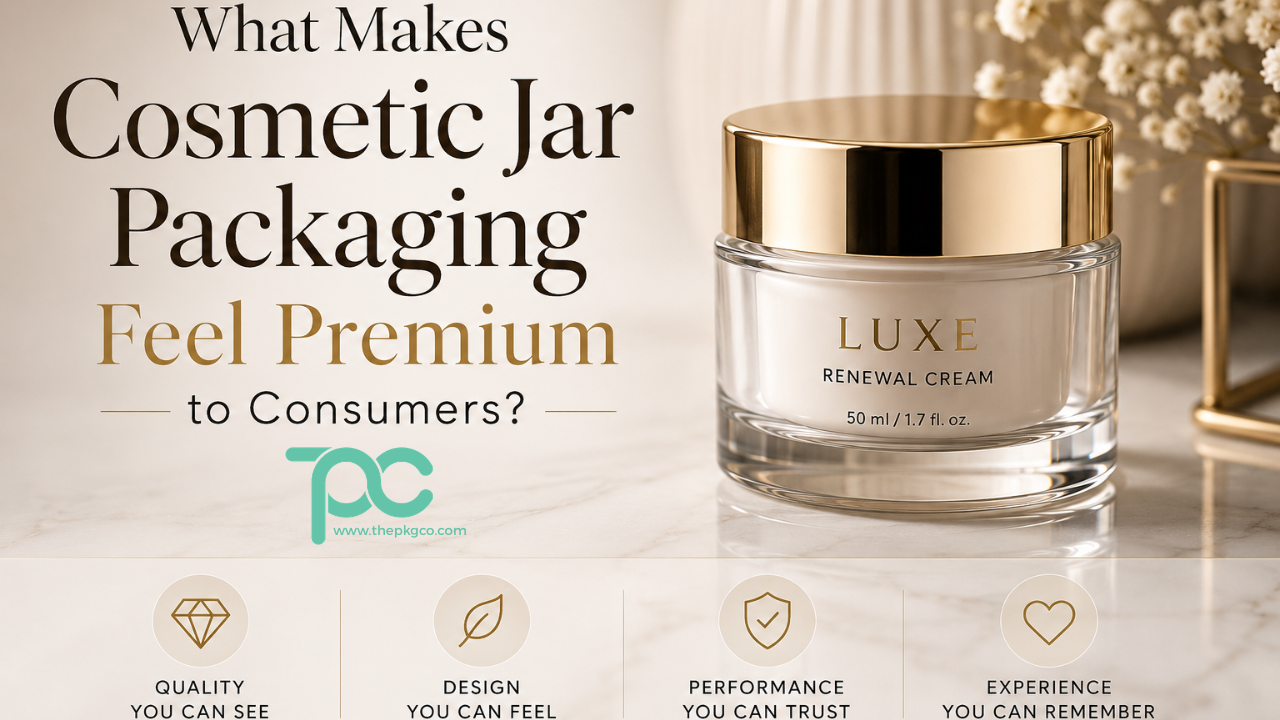
A consumer may not know the exact material, wall thickness, or decoration method used on a skincare jar, but they can usually tell within seconds whether the product feels basic or premium. The decision often happens before they read the ingredient list.
For skincare and beauty brands, this creates an important packaging challenge. A formula may be high quality, but if the jar feels lightweight, generic, poorly finished, or difficult to use, the product may not support a premium price point. On the other hand, the right cosmetic jar can make a moisturizer, balm, mask, or treatment cream feel more considered, valuable, and giftable.
This article explains what makes luxury cosmetic jars feel premium to consumers and how brands can use packaging structure, material, finish, decoration, and usability to support a stronger product experience.
Premium Packaging Starts Before the Customer Opens the Jar
Premium perception begins with visual and physical cues. Before a customer applies the product, they notice the jar shape, color, cap design, weight, finish, label quality, and how the package feels in the hand.
This is why cosmetic jar packaging should be selected as part of the product strategy, not as a final decoration step. The jar needs to match the formula, price point, sales channel, and customer expectation.
A lightweight jar may be suitable for an accessible daily moisturizer. A heavier double-wall jar, glass jar, or acrylic jar may be better for a premium cream, overnight mask, or luxury skincare treatment.
Material Choice Has a Strong Effect on Premium Perception
Material is one of the first signals consumers use to judge cosmetic jar quality. Different materials create different expectations.
Glass cosmetic jars
Glass cosmetic jars often feel premium because of their weight, clarity, and cold-touch feel. They are commonly used for high-end creams, balms, masks, and skincare products where the brand wants to communicate stability, elegance, and quality.
Glass can also pair well with minimalist decoration, metallic caps, frosted finishes, or clean label design. For luxury skincare, glass often creates a stronger shelf presence than lightweight plastic packaging.
Acrylic cosmetic jars
Acrylic cosmetic jars can also create a premium look, especially when brands want thick walls, high clarity, and a polished appearance. Acrylic can mimic some of the visual depth of glass while offering different production and design options.
Acrylic is often used for prestige skincare, gel creams, masks, and products where a thick-wall appearance supports a higher-end brand image.
PP and PET cosmetic jars
PP and PET jars may be more practical for cost-sensitive, lightweight, or high-volume products. These materials can still look polished with the right color, finish, cap, and decoration, but they usually create a different consumer impression than heavy glass or thick acrylic.
Weight Makes the Product Feel More Valuable
Consumers often associate weight with quality. A heavier jar can make a product feel more substantial, stable, and premium. This is why many luxury cosmetic jars use thick walls, double-wall construction, glass bases, or heavier caps.
However, heavier packaging is not always the best choice. It can increase shipping cost, affect sustainability goals, and create breakage concerns depending on the material. Brands should balance premium feel with production cost, freight efficiency, and customer expectations.
For example, a $120 facial cream may benefit from a heavier glass jar, while a mid-priced daily moisturizer may perform better in a lighter but well-designed PP or PET jar.
Shape and Proportion Influence Shelf Appeal
The shape of a jar affects how consumers read the product. A low-profile jar may feel modern and spa-like. A tall jar may feel more substantial. A round jar often feels classic and soft, while a square or sharp-edged jar may feel more architectural or clinical.
Premium jar design usually avoids awkward proportions. The base, cap, label area, and overall height should feel balanced. If the cap looks too tall, the base looks too thin, or the label area feels crowded, the package may appear less refined.
For cosmetic brands, the goal is not always to create the most unusual shape. Often, a clean and balanced jar with a strong finish feels more premium than an overly complicated design.
Cap Design Can Change the Entire Product Experience
The cap is one of the most handled parts of cosmetic jar packaging. Consumers twist it, remove it, place it on a vanity, and close it again after use. A poorly designed cap can make the whole product feel cheaper.
Premium caps often feel secure, smooth, and aligned with the jar body. The cap should not feel flimsy, loose, rough, or difficult to close. Details such as a metallic finish, matte coating, wood-look effect, color matching, or custom embossing can also add perceived value.
For skincare products, the cap should support both appearance and function. If the product is used daily, the customer experience must remain smooth after repeated opening and closing.
Surface Finish Creates the First Visual Impression
Finish can completely change how a cosmetic jar feels. A basic jar and a premium jar may use a similar structure, but the finish can make them feel very different.
Common premium finishes include frosted glass, soft-touch coating, matte color, glossy lacquer, metallic decoration, hot stamping, gradient color, translucent tinting, and silk screen printing.
For luxury cosmetic jars, restraint often works better than over-decoration. A clean matte jar with a precise logo may feel more expensive than a jar with too many colors, patterns, and claims competing for attention.
Decoration Should Support the Brand Positioning
Decoration is not just about placing a logo on the jar. It should communicate the brand’s positioning clearly.
A clinical skincare brand may use white, silver, clear, or soft neutral tones with minimal text. A luxury botanical brand may use warm colors, gold accents, or textured labels. A modern refillable brand may use simple typography and understated decoration.
The decoration method should also match the material. Some jars work better with direct printing, while others may be better suited for labels, hot stamping, or specialty coating. Before production, brands should review decoration samples to confirm color accuracy, durability, and overall finish.
Premium Packaging Must Still Be Easy to Use
Luxury packaging should not sacrifice function. If the jar is difficult to open, too slippery, too heavy for the target customer, or messy to use, the premium impression can disappear quickly.
For thicker products such as cosmetic cream jars, the opening should allow easy product access without making the jar feel bulky. The inner liner, seal, cap fit, and surface finish should support a clean experience from first use to final application.
Premium packaging is not only about looking expensive. It should make the customer feel that the product was designed carefully.
Sustainability Can Also Support Premium Positioning
Premium no longer means only heavy, glossy, or decorative. Many beauty consumers now connect premium value with better material choices, refillability, recyclability, and reduced waste.
For some brands, a refillable glass jar or mono-material jar may feel more premium because it reflects a thoughtful product system. For others, PCR material or a lightweight jar may better support the brand’s sustainability message.
The key is consistency. A sustainability-focused brand should avoid packaging that looks wasteful or overly complicated. A luxury brand should make sure sustainable packaging still feels intentional and well finished.
Product Examples: Matching Jar Design to Brand Positioning
Luxury anti-aging cream
A heavy glass jar, thick acrylic jar, or double-wall jar with a matte finish and metallic cap can support a premium price point.
Clean beauty moisturizer
A refillable or recyclable jar with simple decoration, soft color, and clear material messaging may feel more aligned than highly decorative packaging.
Professional spa mask
A larger cosmetic jar with a clean label, secure cap, and durable finish may communicate treatment-level performance.
Mass-market body cream
A lightweight PP or PET jar may be more practical, but color matching and clean decoration can still create a polished appearance.
Final Recommendation
Luxury cosmetic jars feel premium when the material, weight, finish, cap, decoration, and usability all support the same brand message. A premium jar does not need to be overly complicated, but it does need to feel intentional.
For cosmetic and skincare brands, the best cosmetic jar packaging choice should reflect the formula, target customer, price point, sustainability goals, and production needs.
For brands comparing luxury cosmetic jars, glass jars, acrylic jars, and cream jar packaging for an upcoming launch or product line expansion, The Packaging Company can help review materials, decoration options, sampling, and wholesale packaging solutions. Contact us to discuss your needs and discover how we can help you achieve your goals with tailored solutions, expert guidance, and reliable support.
FAQ: Luxury Cosmetic Jars and Premium Packaging
What makes cosmetic jar packaging feel premium?
Cosmetic jar packaging feels premium when the material, weight, cap design, finish, decoration, and user experience support the product’s price point and brand positioning.
Are glass cosmetic jars considered luxury packaging?
Glass cosmetic jars are often used for luxury packaging because they provide weight, clarity, and a high-end feel. They are commonly used for premium creams, masks, balms, and skincare treatments.
Are acrylic cosmetic jars better than glass jars?
Acrylic cosmetic jars are not always better than glass, but they can create a polished and premium appearance with thick walls and high clarity. The better choice depends on the product, budget, weight requirements, and brand positioning.
What products are best for cosmetic cream jars?
Cosmetic cream jars are commonly used for moisturizers, masks, balms, body creams, overnight treatments, and thicker skincare formulas that are easier to apply from a wide-mouth container.
How can brands make a cosmetic jar look more expensive?
Brands can improve premium perception through heavier materials, balanced proportions, matte or frosted finishes, metallic accents, clean typography, custom color, and high-quality decoration.