


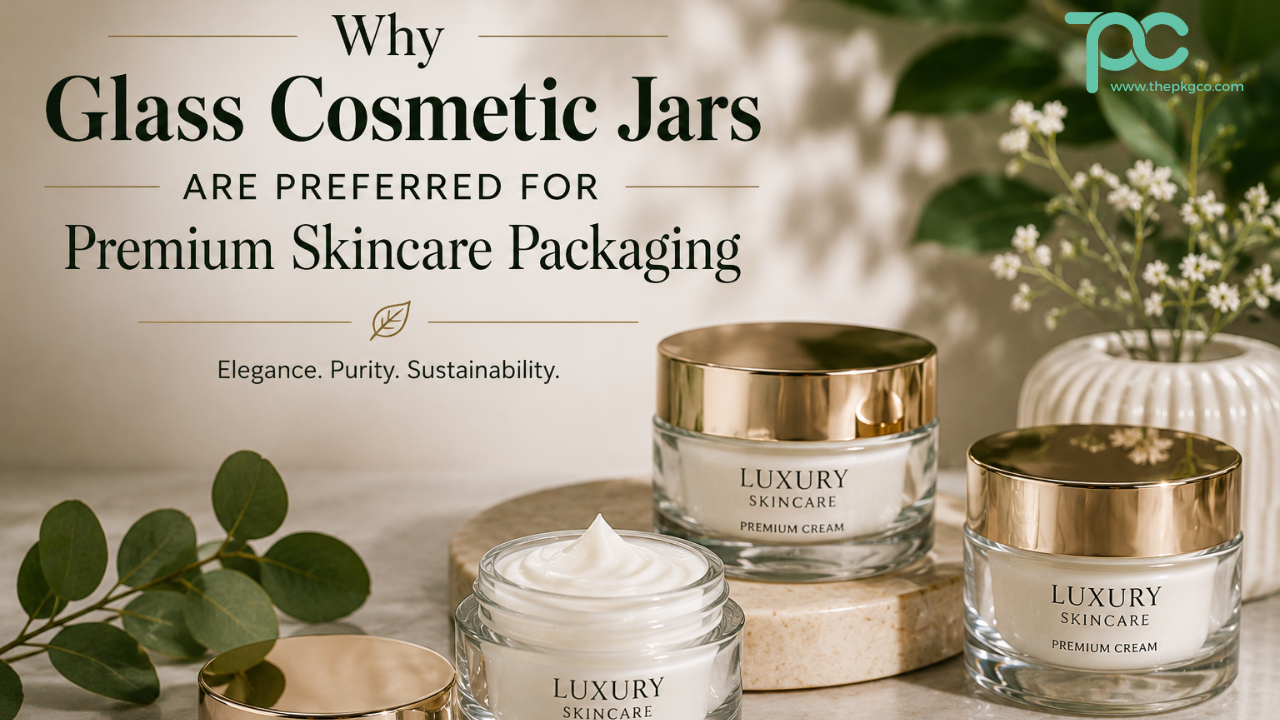
In premium skincare packaging, the container is no longer just functional—it has become part of the overall brand experience.
Consumers increasingly associate packaging quality with product quality, especially in skincare categories focused on luxury positioning, sustainability, and formulation performance. As a result, many beauty brands are shifting toward glass cosmetic jars to enhance both product presentation and formula protection.
From moisturizers and creams to masks and treatment products, glass cosmetic jars have become a preferred solution for brands looking to combine aesthetics, durability, and premium shelf appeal.
This article explores why glass packaging continues to dominate the luxury skincare market and how brands can choose the right cosmetic jar packaging for their products.
What Are Glass Cosmetic Jars?
Glass cosmetic jars are rigid packaging containers commonly used for skincare formulations such as:
- Face creams
- Moisturizers
- Body butter
- Eye creams
- Masks
- Balms
- Treatment products
Unlike lightweight plastic packaging, glass jars offer a heavier and more premium tactile experience that aligns closely with luxury beauty branding.
Glass cosmetic jars are available in multiple formats, including:
- Clear glass jars
- Frosted glass jars
- Double-wall glass jars
- Refillable glass jars
- Airless cosmetic jar systems
Many premium skincare brands use glass packaging to improve perceived product value while maintaining strong formulation compatibility.
Why Luxury Skincare Brands Prefer Glass Packaging
Luxury skincare packaging focuses heavily on customer perception. Packaging materials influence how consumers evaluate product quality before even using the formula.
Glass cosmetic jars are widely associated with:
- Premium aesthetics
- High-end product positioning
- Better sustainability perception
- Enhanced user experience
The weight and texture of glass create a more sophisticated feel compared to lightweight plastic packaging.
For luxury skincare brands, packaging often serves as a direct extension of brand identity. High-quality glass jars can improve shelf presence while supporting elevated product positioning in competitive cosmetic markets.
Benefits of Glass Cosmetic Jars for Product Protection
Beyond appearance, glass cosmetic jars also provide important functional advantages.
Better Formula Stability
Glass is highly resistant to chemical interaction, making it suitable for formulations containing:
- Active ingredients
- Essential oils
- Vitamin C
- Retinol
- Natural extracts
Unlike some plastic materials, glass does not easily react with sensitive formulations.
Improved Barrier Protection
Glass offers strong resistance against:
- Oxygen exposure
- Moisture transfer
- External contamination
This helps maintain product stability over time.
Enhanced Consumer Trust
Consumers often perceive glass packaging as cleaner and safer for skincare products.
This perception can positively influence purchasing decisions, especially in premium skincare categories.
Glass vs Plastic Cosmetic Jars
Both glass and plastic cosmetic jars have advantages depending on brand goals, target market, and product positioning.
Glass Cosmetic Jars
Advantages:
- Premium appearance
- Strong chemical resistance
- Better sustainability perception
- Luxury shelf presentation
Challenges:
- Heavier weight
- Higher shipping cost
- Increased breakage risk
Plastic Cosmetic Jars
Advantages:
- Lightweight
- Lower production cost
- Better impact resistance
- Easier transportation
Challenges:
- Lower premium perception
- Reduced sustainability perception
- Potential compatibility concerns
Brands targeting luxury skincare markets often choose glass cosmetic jars to reinforce product quality and premium branding.
For brands comparing material options, acrylic cosmetic jars are also widely used for balancing luxury aesthetics with lightweight durability.
Types of Cosmetic Cream Jars Available in Glass
Modern glass cosmetic packaging is available in multiple structural designs.
Frosted Glass Jars
Often used in premium skincare packaging for:
- Soft luxury appearance
- Higher-end visual identity
- Premium branding consistency
Double-Wall Glass Jars
Provide:
- Improved durability
- More substantial feel
- Enhanced visual depth
Refillable Glass Jars
Designed for sustainability-focused beauty brands.
These systems use:
- Reusable outer glass shell
- Replaceable inner refill cup
Airless Cosmetic Jar Systems
Airless systems help reduce:
- Oxidation
- Air exposure
- Product contamination
These designs are commonly used for active skincare formulations.
Sustainability Advantages of Glass Cosmetic Packaging
Sustainability has become a major purchasing factor in the beauty industry.
Glass cosmetic jars support sustainability goals because glass is:
- Recyclable
- Reusable
- Durable
- Perceived as environmentally friendly
Many brands are also adopting refillable cosmetic packaging systems to reduce single-use waste.
Consumers increasingly expect beauty brands to implement environmentally responsible packaging strategies, especially in premium skincare categories.
Refillable glass cosmetic jars can support long-term sustainability initiatives while improving customer retention through refill programs.
How to Choose the Right Cosmetic Jar Packaging Supplier
Selecting the right cosmetic jar manufacturer is critical for both packaging quality and long-term production scalability.
Brands should evaluate:
Material Quality
Ensure compatibility with:
- Active formulations
- Essential oils
- Cream textures
Customization Capabilities
Look for suppliers offering:
- Frosted finishes
- Decoration options
- Custom colors
- Printing and labeling
Manufacturing Consistency
Reliable production quality helps minimize:
- Leakage
- Defects
- Dimensional inconsistencies
Sustainability Options
Many brands now prioritize suppliers offering:
- Refillable packaging
- PCR materials
- Sustainable packaging solutions
Working with an experienced cosmetic jar packaging manufacturer can help brands align packaging performance with product positioning and market expectations.
Conclusion
Glass cosmetic jars continue to play a major role in premium skincare packaging due to their combination of luxury aesthetics, product protection, and sustainability benefits.
From improved shelf presentation to better formulation compatibility, glass packaging helps brands elevate both customer experience and perceived product value.
As the beauty industry increasingly moves toward sustainable and refillable packaging systems, glass cosmetic jars remain one of the most effective solutions for brands targeting premium skincare markets.
If you are developing luxury skincare products and looking for high-quality cosmetic jar packaging solutions, working with an experienced packaging manufacturer can help you choose the right materials, structures, and customization options for your brand.
If you are developing premium skincare packaging and need help choosing the right glass jar solution, Contact US to discuss your project.
Frequently Asked Questions About Glass Cosmetic Jars
Are glass cosmetic jars better than plastic?
Glass cosmetic jars are often preferred for premium skincare packaging because they offer better product protection, luxury aesthetics, and stronger sustainability perception.
Can glass cosmetic jars be refilled?
Yes. Many brands now use refillable glass cosmetic jars with replaceable inner containers to reduce packaging waste.
Why do luxury skincare brands use glass packaging?
Luxury brands often use glass packaging to improve shelf appearance, enhance customer perception, and support premium positioning.
Are glass cosmetic jars recyclable?
Yes. Glass is widely recyclable and commonly used in sustainable cosmetic packaging strategies.