



That’s why child resistant jars have become one of the most widely used packaging formats for cannabis flower, edibles, concentrates, and infused products. But while many jars technically meet compliance standards, not all are built to preserve freshness, maintain consistency, or support long-term brand growth.
As competition increases across dispensary shelves, packaging is becoming part of the customer experience itself — especially in premium flower, concentrate, topical, and wellness categories.
What Are Child Resistant Jars?
Child resistant jars are containers designed with certified safety mechanisms that help prevent children from opening the package while still remaining functional for adults.
The most common child resistant mechanisms include:
- Push-and-turn closures
- Squeeze-and-turn caps
- Engineered threaded systems
- Multi-use resealable closure systems
These jars are commonly used for:
- Cannabis flower
- Edibles
- Concentrates
- Capsules
- Topicals and infused wellness products
In regulated cannabis markets, child resistant jar packaging is often legally required for multi-use products. But compliance is only the starting point. The best jars also need to protect freshness, support branding, and work reliably through filling, shipping, and retail handling.
Types of Child Resistant Jars
Plastic Child Resistant Jars
Plastic CR jars are widely used across the cannabis industry because they are lightweight, cost-effective, durable during transport, and easy to scale in larger production runs.
These are often used for flower, gummies, topicals, value-tier SKUs, and high-volume retail products. Plastic jars remain one of the most practical choices for brands prioritizing efficiency and cost control.
Glass Child Resistant Jars
Glass child resistant jars are commonly used by premium cannabis brands looking to improve shelf appeal, product preservation, and customer experience.
Benefits of glass jars include better odor retention, non-reactive material, a premium tactile feel, and improved freshness protection. They are especially popular for premium flower, concentrates, limited drops, and boutique cannabis products.
Tin and Specialty Child Resistant Jars
Tin jars and specialty formats give brands another option when they want something lighter, more distinctive, or easier to decorate than traditional glass. These formats can work well for flower, edibles, tablets, gummies, and specialty wellness products.
Explore child resistant jar options here.
Child Resistant Jar Size Guide
The right jar size depends on both product weight and product density. A jar that works for flower may not be the right fit for concentrates, edibles, or topicals.
- Small-format jars: Concentrates, extracts, infused products, and samples
- 3oz jars: Commonly used for 3.5g flower eighths or compact premium products
- 6oz jars: Larger flower formats, wellness products, and higher-volume fills
- Plastic jars: Topicals, balms, creams, edibles, or cost-efficient programs
- Tin jars: Flower, tablets, gummies, and custom branded specialty packaging
When selecting jar sizing, brands should also consider headspace, labeling area, fill efficiency, shipping dimensions, and shelf presentation. Too much empty space can negatively affect presentation and perceived value.
Why Compliance Matters for Cannabis Jar Packaging
Cannabis packaging regulations continue to evolve across North America. Many states and provinces now require child resistant closures, resealable functionality, tamper evidence, specific warning labels, and opaque or UV-resistant materials.
For multi-use products, maintaining child resistance after repeated opening and closing is becoming increasingly important in mature markets.
However, compliance is only one part of the equation. Packaging also needs to survive transportation, maintain sealing consistency, protect freshness, and hold up across large production runs.
Common Problems With Child Resistant Jar Packaging
Many packaging issues do not appear until production begins. A jar can look good in a sample, but still create problems once thousands of units are filled, shipped, and handled by customers.
- Inconsistent threading between jar and lid
- Weak seals leading to odor leakage
- Variability across batches
- Cheap materials hurting brand perception
- Closures loosening over time
- Too much headspace hurting presentation
This is why packaging that works during small sample testing may still create issues later at scale.
How to Choose the Right Child Resistant Jar
The best child resistant jar depends on what you’re packaging, how it will be filled, and how premium the finished product needs to feel. Before choosing a format, compare protection, material, sizing, production fit, and shelf appeal.
Product Protection
Flower, concentrates, edibles, and topicals all require different levels of freshness protection, odor control, and product stability.
Material Selection
Glass is often preferred for premium products and concentrates, while plastic jars can make sense for lightweight, high-volume, or cost-sensitive programs.
Production Compatibility
Your packaging should work with your filling process, labeling setup, shipping requirements, and reorder plans.
Brand Positioning
Premium jar formats can improve perceived value and help the product feel more aligned with a higher retail price point.
Popular Child Resistant Jar Styles
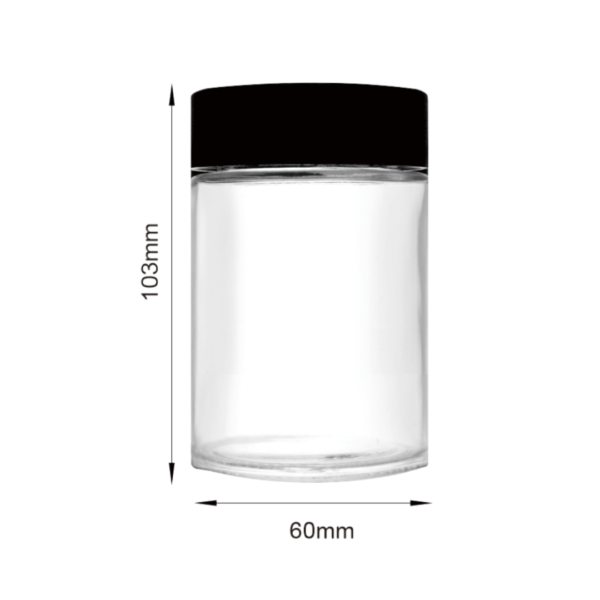
Best for larger flower formats, wellness products, or premium cannabis packaging that needs more capacity and a high-quality glass presentation.
View 6oz jar →
Commonly used for 3.5g flower eighths and compact premium cannabis products that need a clean glass jar format.
View 3oz jar →
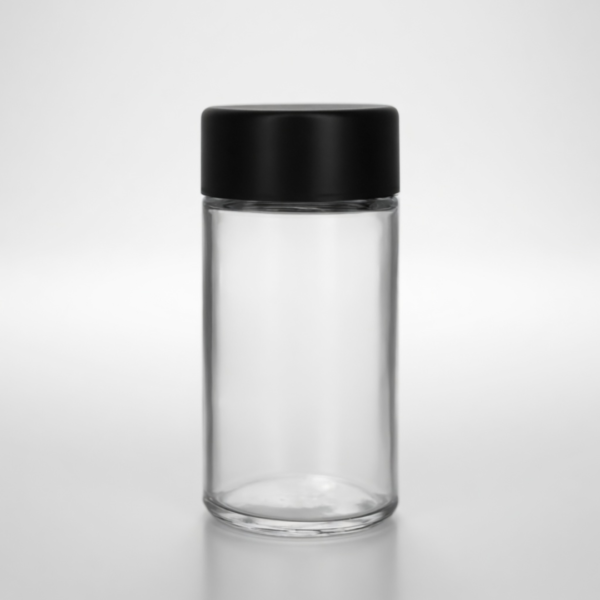
Built for premium pre-roll presentations, including infused or multi-pack programs where visibility, freshness, and shelf appeal matter.
View pre-roll jar →
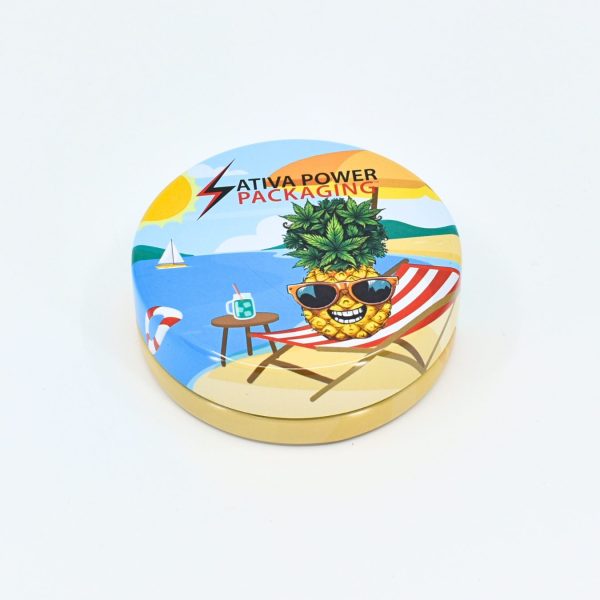
A lightweight, customizable tin format for flower, edibles, tablets, gummies, and specialty products that need a different shelf presence.
View tin jar →
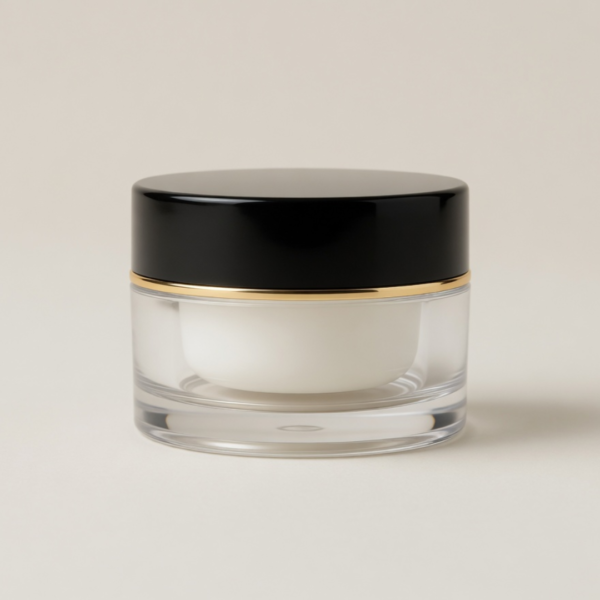
A practical option for topicals, balms, creams, edibles, and high-volume programs where lightweight production-friendly packaging matters.
View plastic jars →
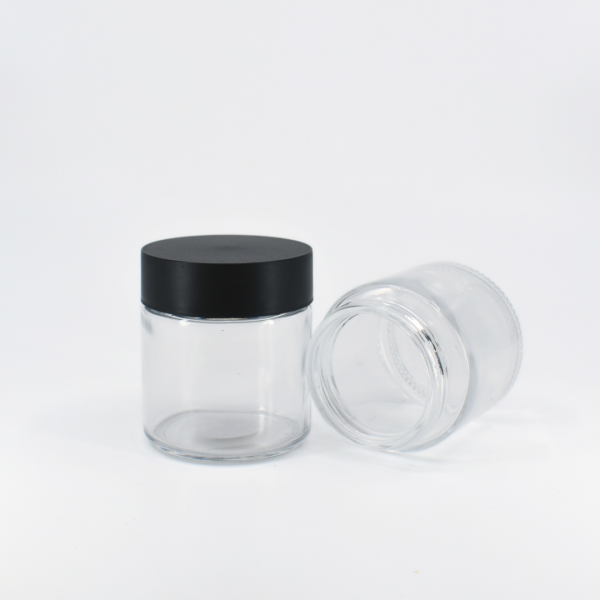
Browse All Child Resistant Jars
Compare glass, plastic, tin, pre-roll, concentrate, and specialty child resistant jars for regulated cannabis products.
View all jars →
Choosing Beyond Compliance
Many packaging issues do not appear until production begins. Weak seals, inconsistent threading, cheap materials, or closures loosening over time can create expensive downstream problems. The best child resistant jar is not just compliant. It is designed to perform consistently across filling, shipping, retail handling, and repeat customer use.
Child Resistant Packaging Is Becoming a Brand Differentiator
As cannabis markets mature, packaging is no longer just about compliance. Brands are increasingly using packaging to improve perceived value, differentiate on retail shelves, support freshness and usability, and reinforce premium positioning.
For many cannabis brands, the right child resistant jar becomes part of the product experience itself.
Related Child Resistant Packaging Resources
Final Takeaway
Child resistant jars have evolved far beyond basic compliance packaging. Today’s cannabis brands need packaging that balances safety, freshness, scalability, shelf appeal, and production reliability.
The right packaging system helps protect both the product and the brand behind it.
At The Packaging Company, we help regulated brands source production-ready child resistant packaging designed for real-world performance, not just samples.